
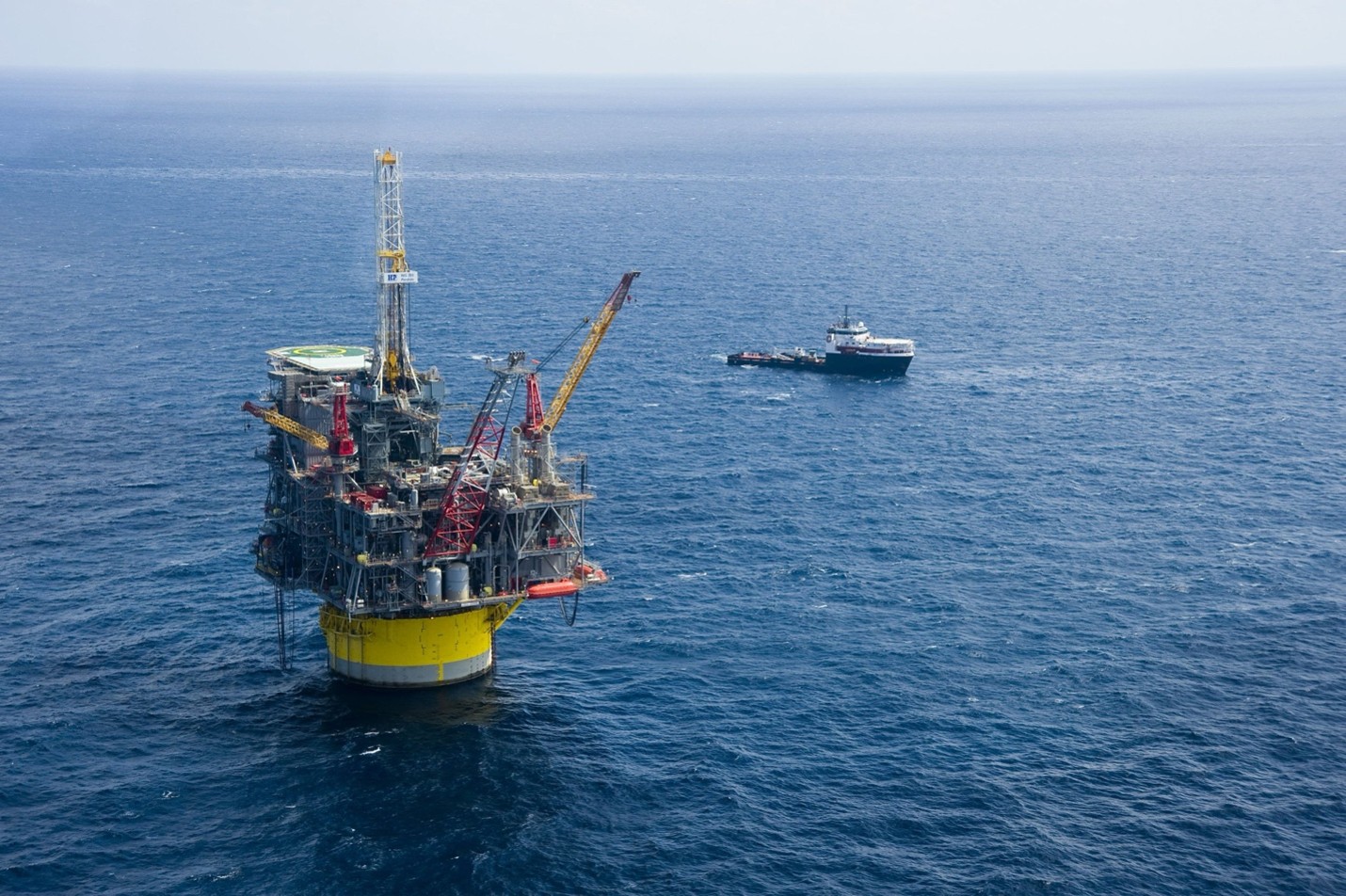
A drilling rig in deep water can sit a long way from the nearest workshop. When a part arrives out of specification or fails early, operations may stall for days, and a fault in the wrong place can feed into a well control incident. Precision manufacturing is therefore a safety function in offshore energy, not a background service. CNC machining sits behind the hardware that holds a well under control, from wellhead seal grooves to the threads on a drill collar.
Why Offshore Hardware Tolerates No Shortcuts
Equipment on a rig faces high pressure, chloride-rich seawater, hydrogen sulphide in some reservoirs and constant vibration from waves and rotating machinery. A small blemish on a sealing face, or a thread profile slightly off form, can grow into a leak or a fatigue crack once cyclic loading begins.
A CNC machine removes metal by following digital instructions instead of a machinist’s hand, so the first component and the five-hundredth can share the same geometry when tool wear is monitored and offsets are checked.
Where Accuracy Matters Most
Wellheads and subsea trees. Valve bodies, hubs and connectors carry ratings that reach 15,000 and 20,000 psi (roughly 1,030 and 1,380 bar). Pressure-containing bodies built to API 6A are hydrostatically tested above their rated working pressure before shipping. That test exposes leaks and structural weakness, but it does not catch every dimensional error, so inspection at the machine still matters.
Blowout preventers. A preventer has to close and seal on command, sometimes after months idle. Ram cavities, bonnets and mating faces are cut to tight limits to make that possible.
Rotating and fluid-handling equipment. Tool joints carry torque and pressure, while pump liners and valve seats face abrasive mud, so accurate threads and bores set how long each item stays in service.
Getting Parts to the Rig Intact
Parts bound for an offshore base are typically preserved against corrosion, with thread protectors fitted and the documentation packed with the shipment. Accurate parts can still be damaged by sea freight and storage, so handling and packaging belong in the supplier discussion, not only dimensions.
Standards Buyers Work To
Offshore purchasers usually specify equipment against published standards. The ones most often involved include:
- API Specification 6A / ISO 10423 for wellhead and tree equipment
- API Specification 16A for drill-through equipment such as blowout preventers
- API Specification 17D for subsea wellhead and tree equipment
- API Specification 7-1 for rotary drill stem elements
- NACE MR0175 / ISO 15156 for materials used where hydrogen sulphide is present
- API Q1 for the manufacturer’s quality management system
Conformity is shown through records, not claims: material test reports, heat-lot tracking, inspection data and non-destructive examination where the specification requires it. Editions are revised periodically, so confirm the current one before ordering.
Many offshore purchase orders also add hold and witness points to the inspection and test plan. At a hold point, work stops until the buyer’s representative or a third-party inspector has seen a defined step, such as a final dimensional check or a pressure test. The cost shows up in scheduling: an inspector who cannot attend on the planned day leaves finished parts waiting, and a step completed without the required witness may have to be repeated. Shops that agree to these points before machining starts, and book inspectors against the production schedule, reduce that idle time and protect the delivery date.
Replacement Parts When Equipment Is Down
Casting and forging lead times can run to many months. Machining from existing drawings can shorten the wait for a replacement, provided suitable material is available.
Parts reverse-engineered from 3D scans are a different matter. A scanned copy of a pressure-containing part is not automatically qualified. It needs design approval from the equipment owner or original manufacturer, along with the same qualification as the original.
Prototyping benefits as well. Engineers can test a new tool concept in metal sooner than a forging route would allow, then refine it before production begins.
Repair and Life Extension
CNC machining also serves equipment already in the field. Worn threads can be recut, damaged sealing surfaces restored and corroded areas cleaned back to sound metal, if the remaining wall thickness still meets the specification. The work is then checked against inspection criteria.
The result must sit within the limits the governing specification allows for repaired parts, since a recut thread usually cannot match new dimensions. Any repair to pressure-containing equipment should follow the owner’s engineering procedures.
What Is Changing in the Shop
- Tool-life monitoring can flag worn inserts before they damage a finished surface.
- Unattended machining can keep quality consistent across night shifts when probing and tool-life limits are in place.
- Simulation and digital twins help predict tool wear and part distortion before cutting begins.
- Automated inspection reporting turns probe data into records without manual re-entry.
A Quick Test Before You Award the Work
Ask any shortlisted shop to pull the full record for one finished part, from heat number to final inspection. A shop that can produce it within the hour shows strong controls, though it does not replace a proper audit.
Frequently Asked Questions
Is a casting or forging enough without machining?
Rarely. Castings and forgings are made oversize, and machining brings them to final dimensions, seal surfaces and threads. Many critical parts start as forgings for their grain structure and strength.
How tight are the tolerances on offshore parts?
Seal bores, grooves and threads carry the tightest tolerances, and surface finish is specified in micrometres. The drawing and the applicable standard set the exact values.
Is a repaired part as reliable as a new one?
Not always. Acceptance depends on the applicable specification, an approved repair procedure, verified materials and passing inspection. Some damage, such as lost wall thickness, cannot be repaired within the specification.
For enquiries, reach us as follows:
Email: sales@offshoresynergy.ae
Phone: +971 7 208 1300
Website: www.offshoresynergy.ae
