
sales@offshoresynergy.ae
e-mail us
+971 7 208 1300
Call Us
9:00am -6:00pm
We are Open
GFSO2-13 & 14, SHED NO.02
Al Ghail Industrial Free Zone
RAK, United Arab Emirates
Our Address
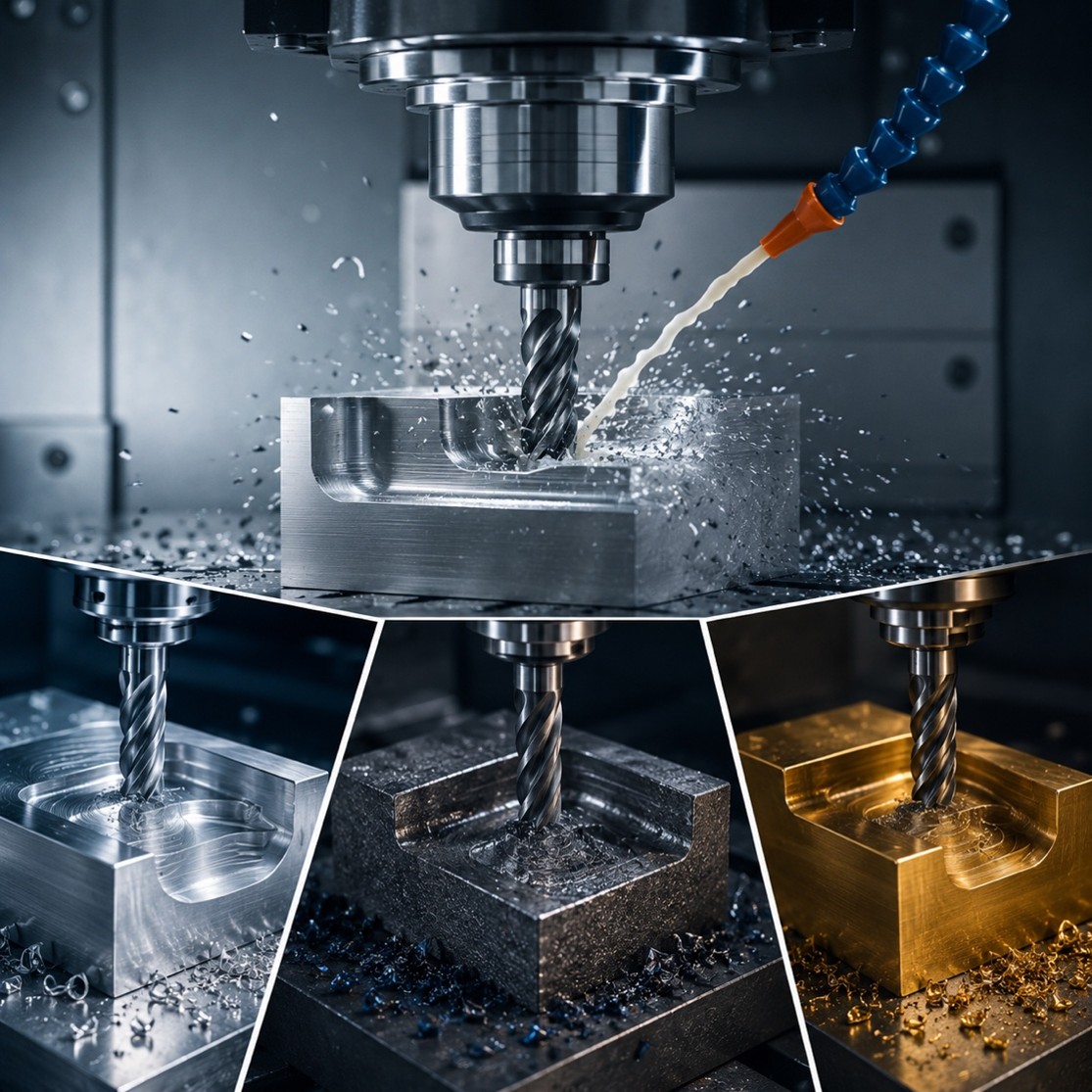
Material-Specific Machining Solutions- Why One CNC Program Never Fits Every Material
A machining strategy built for aluminium will damage a titanium tool budget within a single production run, and a program tuned for stainless steel will burn through cycle time on a soft alloy that never needed that level of caution. Material behaviour dictates cutting speed, tool geometry, coolant strategy and tolerance achievability long before part […]
Read More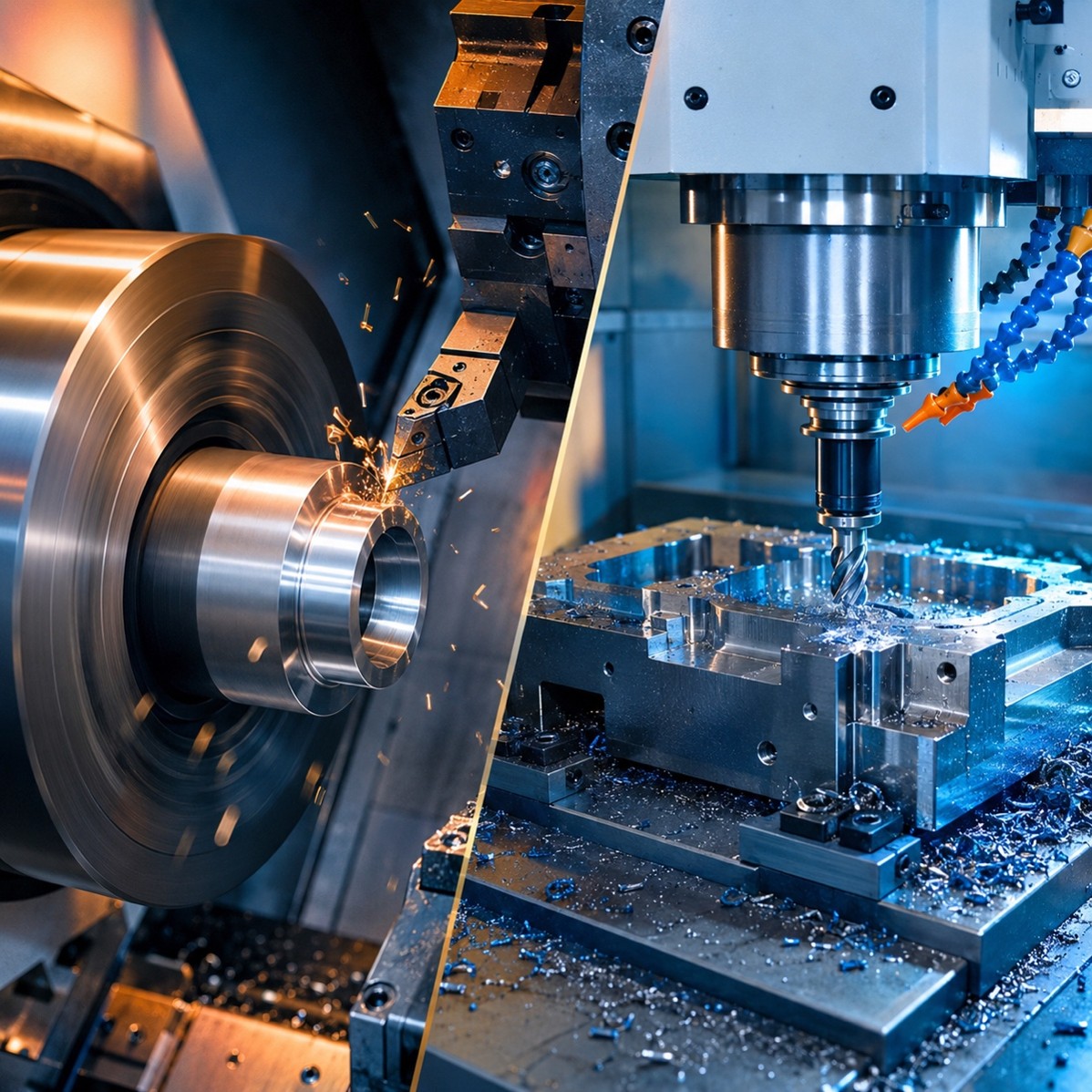
Choosing Between CNC Turning and CNC Milling
Turning removes material from a rotating workpiece using a non-rotating cutting tool, which makes it the natural choice for round, cylindrical geometry. Milling removes material using a rotating tool against a fixed or moving workpiece, which gives it the flexibility to cut flats, pockets, slots and off-axis features that turning alone cannot produce. Neither process […]
Read More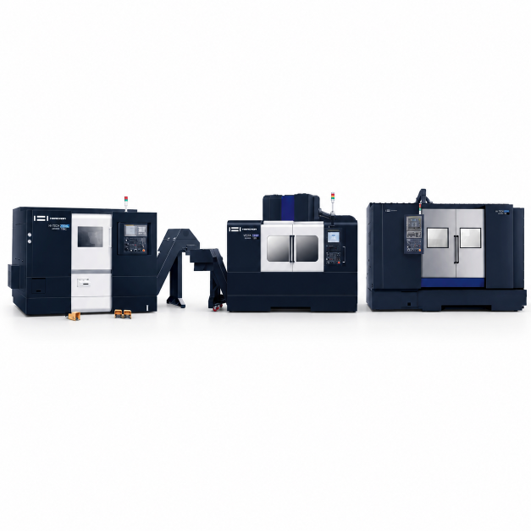
Picking the Right Hwacheon Machine Before You Write a Single Line of Code
TL;DR: Three Hwacheon machines cover three distinct manufacturing jobs rather than three price points on the same job. The Hi-TECH 230 handles medium-diameter precision turning where repeatability matters more than raw size. The Hi-TECH 550BXL exists for long, heavy shafts and large-diameter components that would overwhelm a smaller lathe’s rigidity. The VESTA-1300+ becomes the better […]
Read More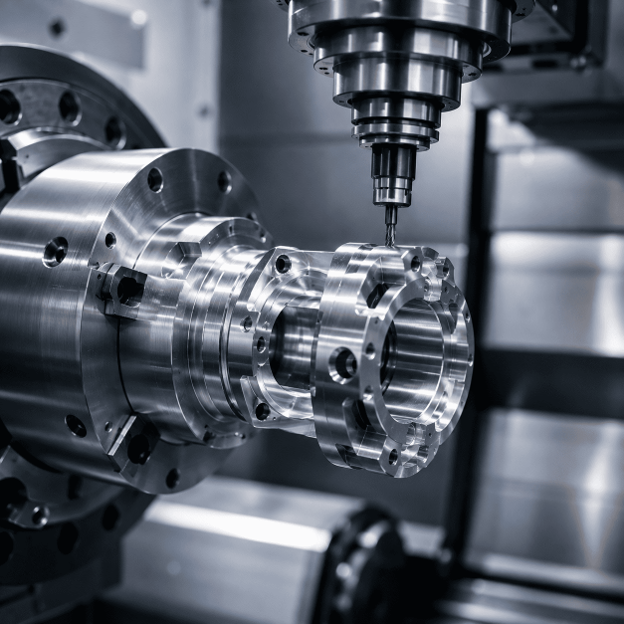
Complex and High Tolerance Machining | Offshore Synergy
Most machined components are forgiving enough that a capable machine, reasonable tooling, and an experienced operator will produce acceptable results. Complex, high-tolerance machining is where that stops being true. The margin for error is measured in microns. A single compromised decision in the setup compounds into a scrapped component that took hours to reach. Thermal […]
Read More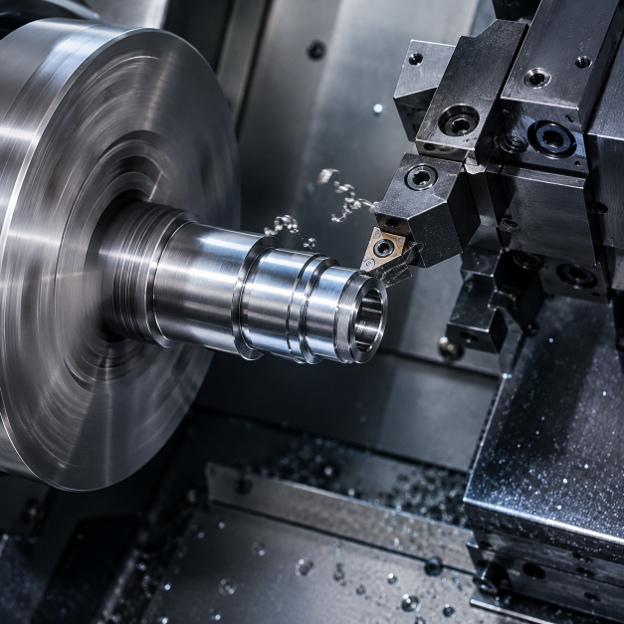
Precision Component Manufacturing: Processes, Materials, and What Separates Good Parts from Great Ones
There is a gap between a component that meets drawing dimensions and one that performs reliably across thousands of operating cycles in a demanding environment. That gap is where precision component manufacturing lives. It is not simply about tight tolerances. It is about understanding why those tolerances exist, what they protect, and how every decision […]
Read More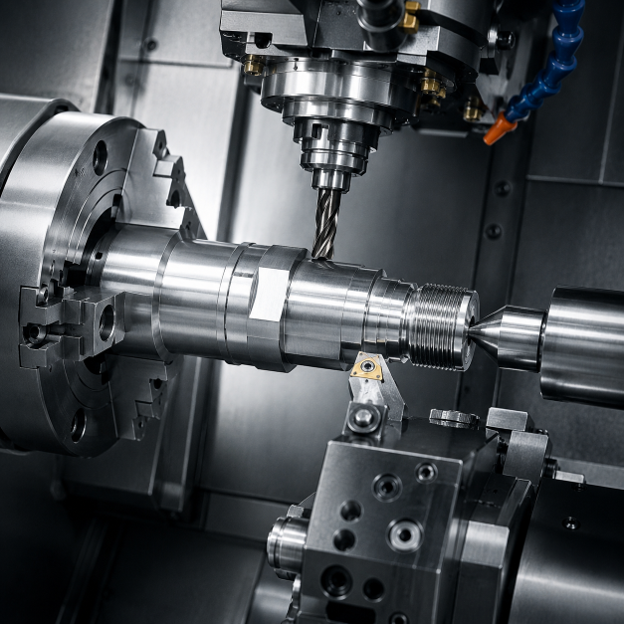
CNC Turn-Mill Machining: What It Is, How It Works, and Why Manufacturers Are Choosing It
There is a moment in traditional machining when a part comes off the lathe, gets cleaned up, and then sits in a queue waiting for the milling machine to become free. That wait costs money. It introduces handling errors. It adds setups, and every additional setup is another opportunity for tolerance to drift. CNC turn-mill […]
Read More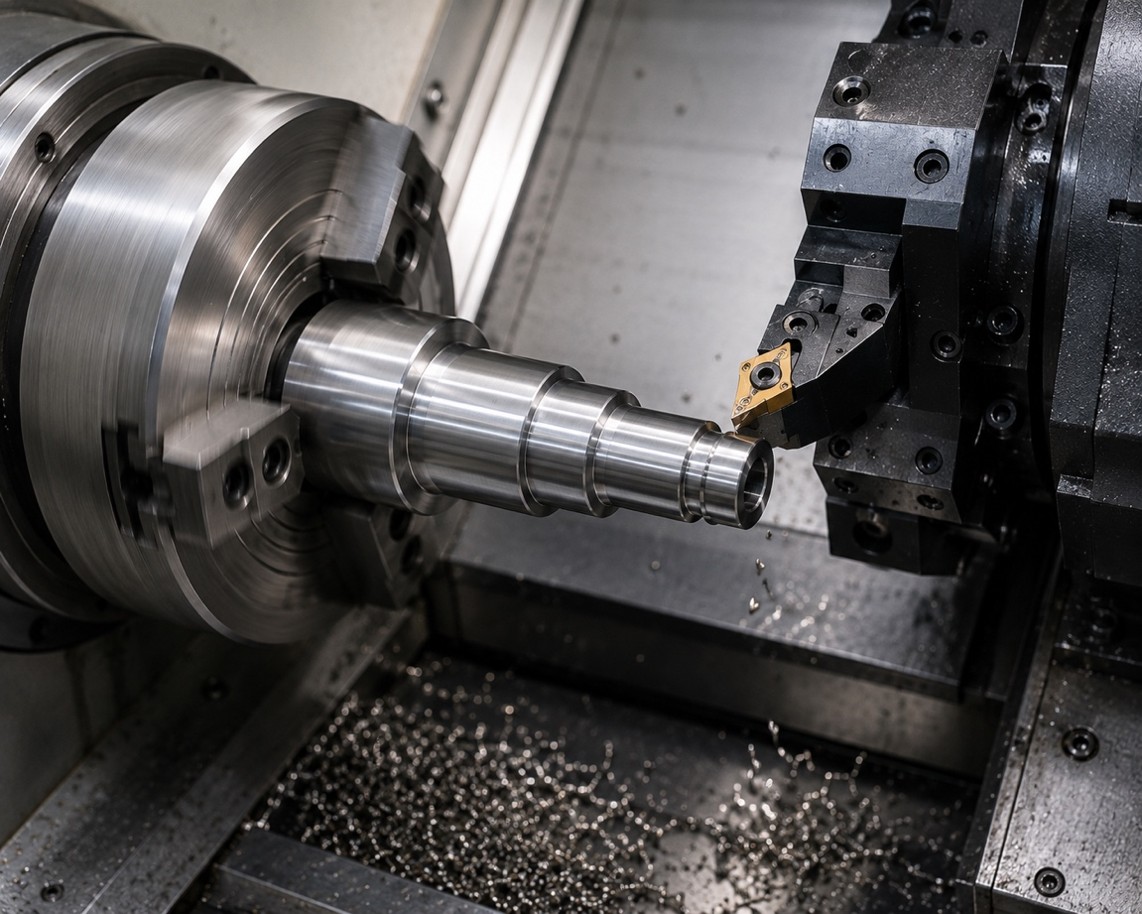
CNC Turning Services: Precision Manufacturing for High-Performance Industrial Components
Rotational components fail quietly. A shaft running fractionally out of tolerance does not announce the problem. It transfers that error into the bearing sitting against it, which transfers it further into the assembly, and by the time something measurable happens, the source is three components back. That chain of consequence is why CNC turning services […]
Read More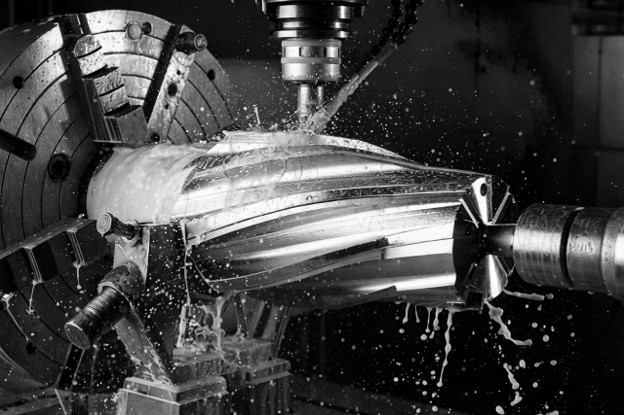
The Role of CNC Machining in Modern Industrial Manufacturing
Manufacturing has always involved removing material, shaping metal, and holding dimensions. What changed is how unforgiving the tolerance window has become. Pressure systems that once accepted a few hundredths of a millimetre of variation now demand tighter control. Rotating assemblies that ran acceptably with minor concentricity error now transfer that error into bearing fatigue within […]
Read More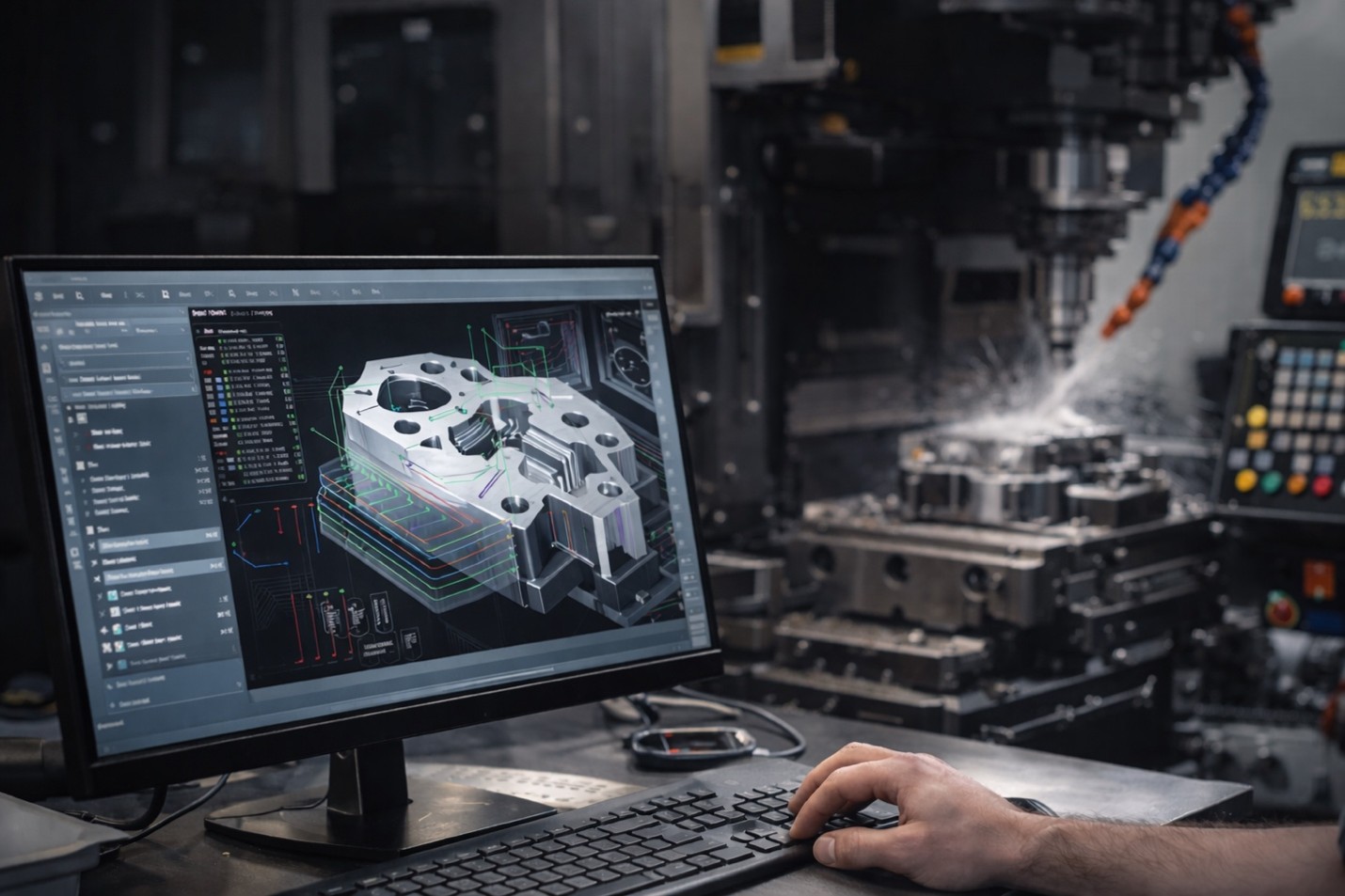
How CAD/CAM Technology Enhances CNC Machining Efficiency
Most CNC shops do not struggle with machining capability. They struggle with how the job is programmed before it reaches the machine. Cycle delays, premature tool wear, repeated finishing passes, and inconsistent results rarely originate at the spindle. They build up earlier, when toolpaths are loosely defined, cutting conditions are guessed, or access is planned […]
Read More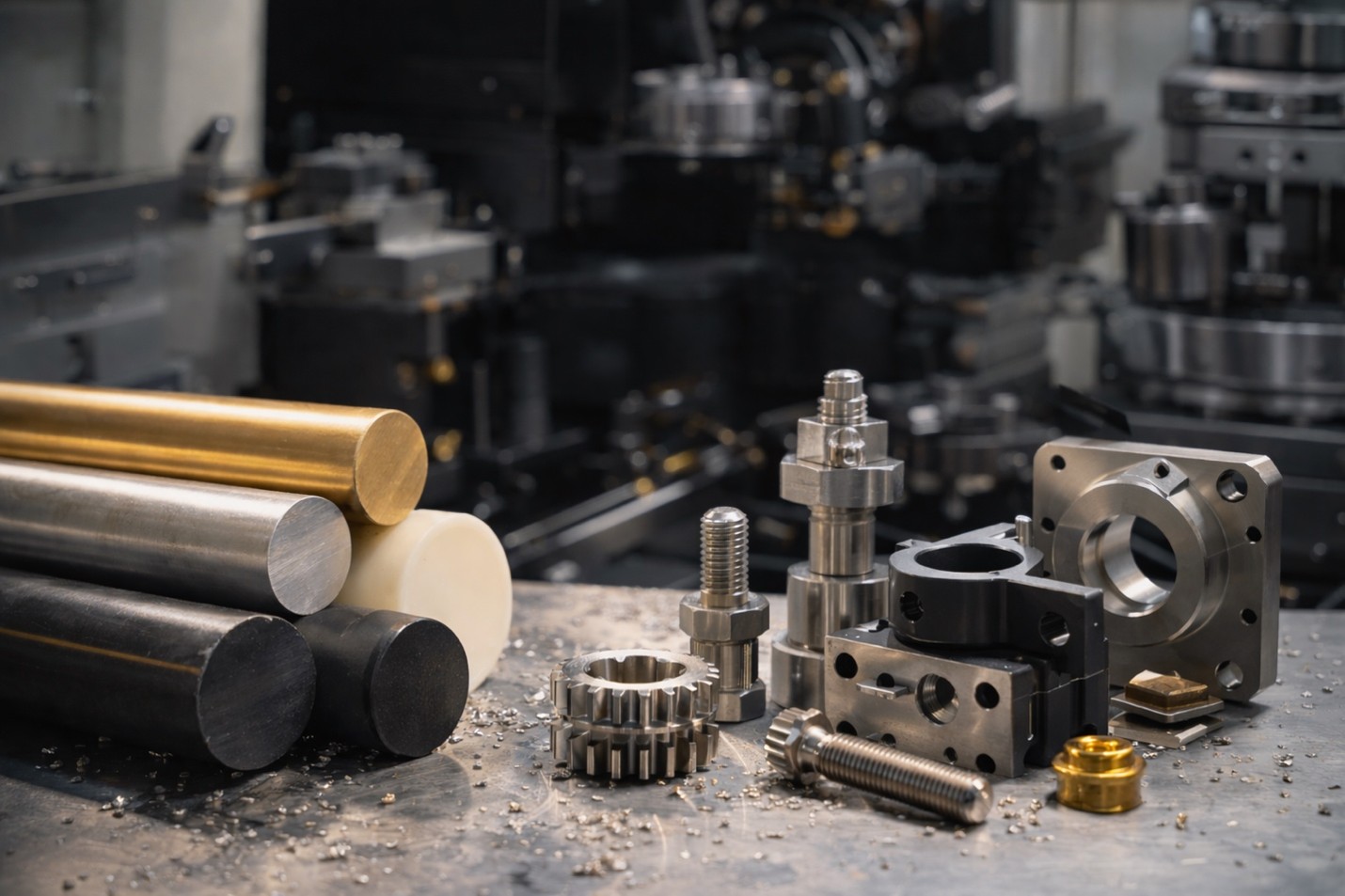
Choosing the Right Materials for High-Performance CNC Components
Material selection is where most CNC projects are won or lost, and where the least time is spent. In many workflows, the material arrives already defined on the drawing. Machining adapts around it. When issues appear later, excessive tool wear, unstable finishes, or tolerance drift, they are corrected at the machine rather than traced back […]
Read More