
sales@offshoresynergy.ae
e-mail us
+971 7 208 1300
Call Us
9:00am -6:00pm
We are Open
GFSO2-13 & 14, SHED NO.02
Al Ghail Industrial Free Zone
RAK, United Arab Emirates
Our Address
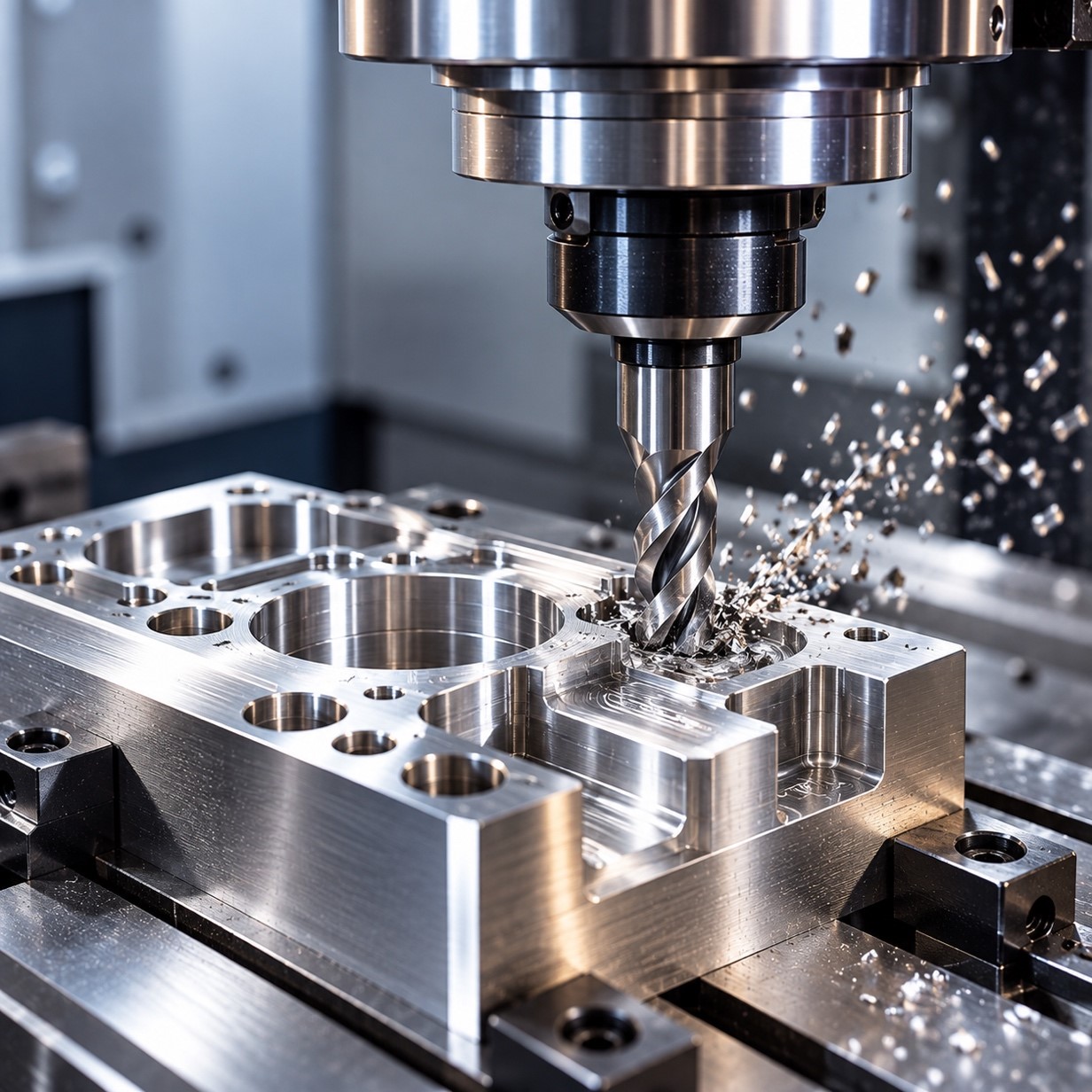
How CNC Machining Reduces Production Downtime
Downtime in a machining operation splits into two very different problems that get treated as one. Unplanned downtime such as a broken tool, a crash, an unexpected stoppage, costs a shop far more than planned downtime, a scheduled changeover or maintenance window, because unplanned stoppages arrive with no warning and no queued work to fall back on.
Read More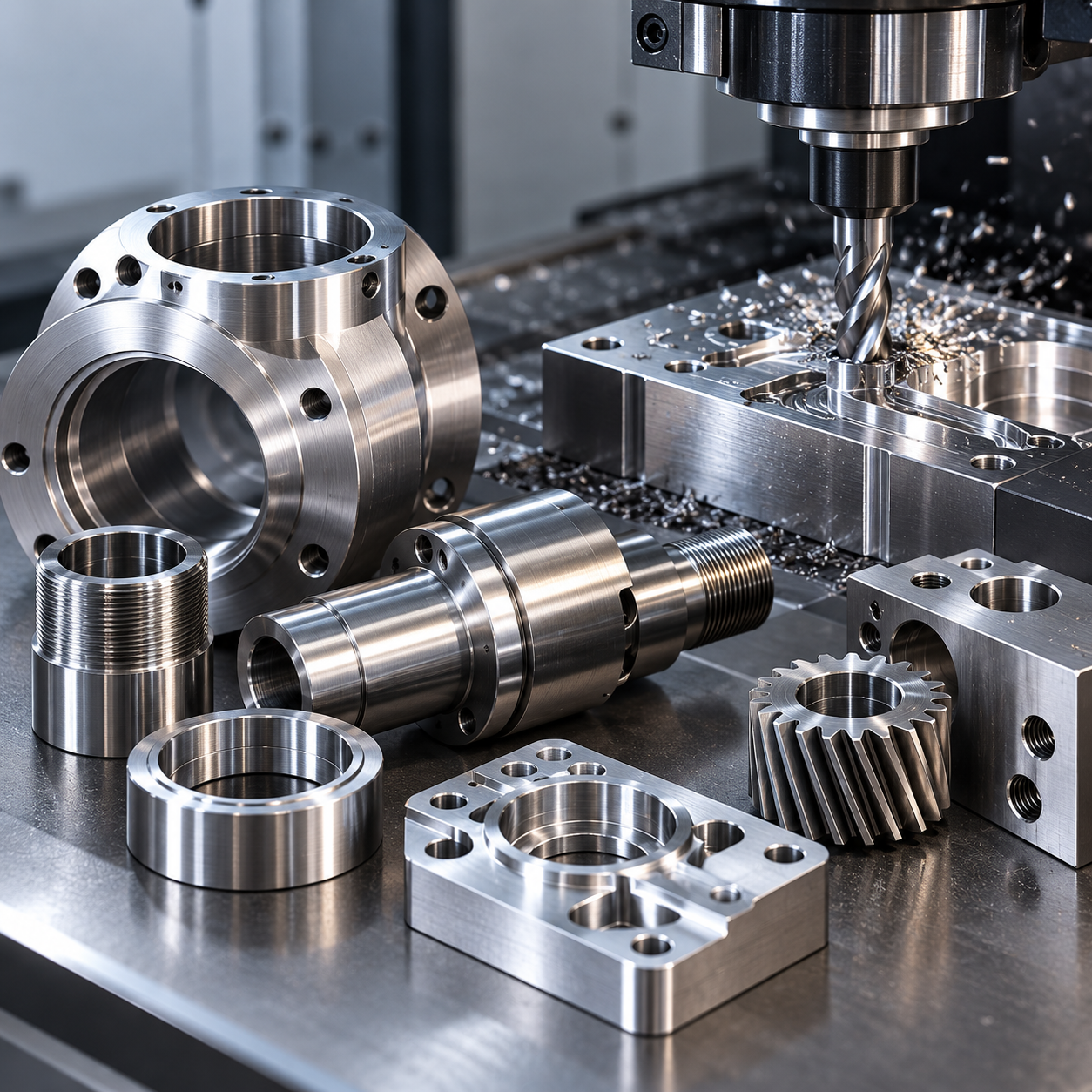
Why Precision Matters in Industrial Machined Components
Precision in machined components is not a specification line item, it determines whether a system behaves the way its designer calculated it would, for as long as that system is expected to run. Every function a machined part performs, transmitting load, sealing a boundary, meshing with another moving part, holding a repeatable position, depends on dimensional accuracy that was decided on a drawing long before manufacturing began.
Read More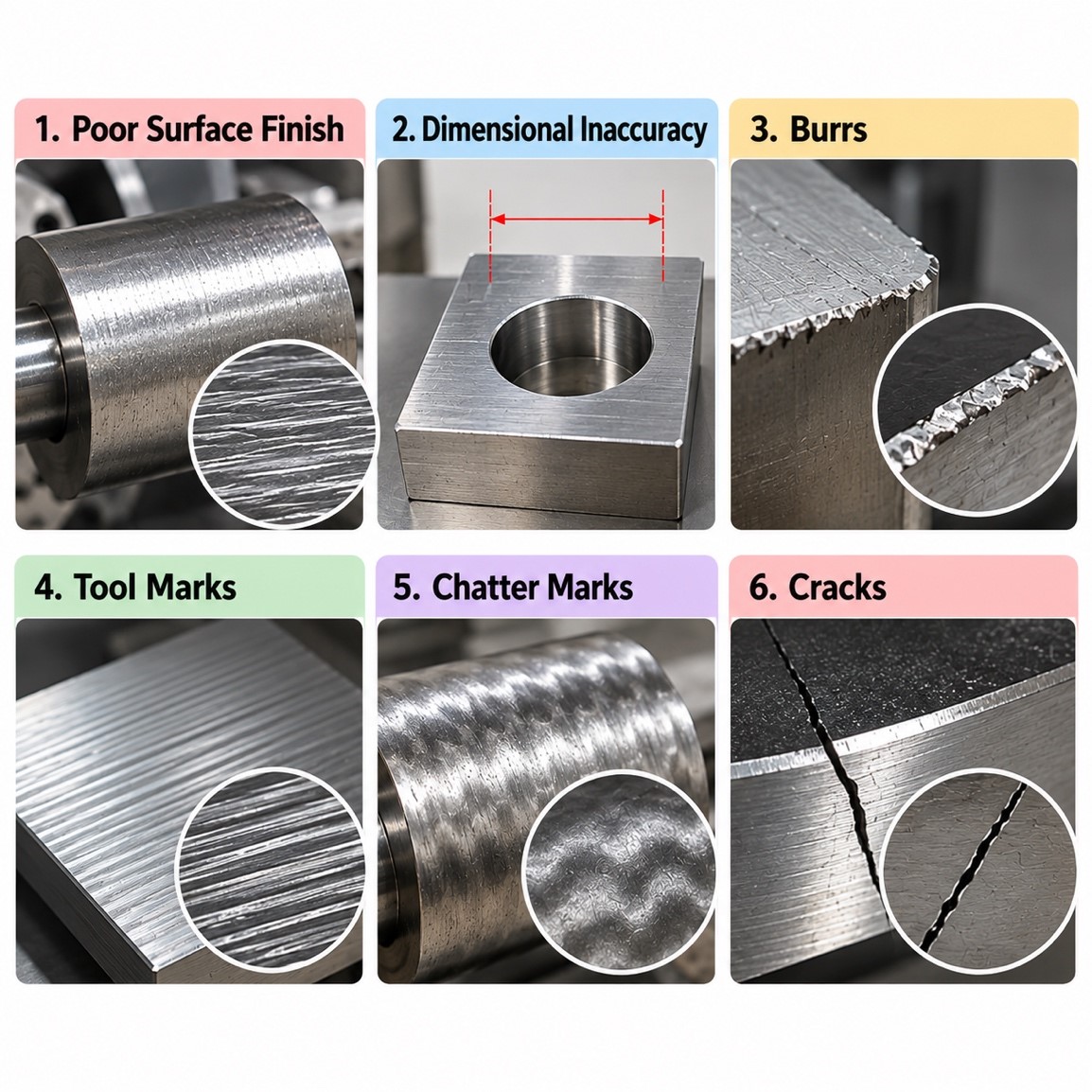
Common CNC Machining Defects and How to Avoid Them
Most machining defects are not random. Each one, taper on a turned diameter, chatter marks on a milled face, burrs at an edge, warping after a part comes off the machine, traces back to a specific mechanical cause that repeats itself the same way every time it is left unaddressed. Recognising the pattern a defect leaves behind is what lets a shop fix the actual cause rather than reworking the same batch of parts indefinitely.
Read More